
Garage Door Spring Lifespan & Replacement Tips
- COMMERCIAL GARAGE DOOR REPAIR
- GARAGE DOOR OPENER INSTALLATION
- GARAGE DOOR SPRING REPAIR
- SAME-DAY GARAGE DOOR REPAIR
- CUSTOM GARAGE DOOR
- GARAGE DOOR OPENER REPAIR
- GARAGE DOOR TRACK REPAIR
- GARAGE DOOR CABLE REPAIR
- GARAGE DOOR PANEL REPAIR
- LOCAL GARAGE DOOR REPAIR
- GARAGE DOOR REPLACEMENT
- NOISY GARAGE DOOR FIX
- GATE REPAIR
- GARAGE DOOR INSTALLATION
- GARAGE DOOR SECTION REPLACEMENT
- OVERHEAD GARAGE DOOR REPAIR
How Long Do Garage Door Springs Last? Replacement Tips?
You press the remote button, and a massive bang echoes through your entire house. A broken spring immediately halts your busy morning routine and traps your vehicle inside. These tightly wound metal coils carry the entire heavy weight of your garage door every single day. We expect them to work flawlessly without a second thought, but they eventually wear out and break under immense pressure. Understanding their actual lifespan helps you prevent a dangerous, unexpected mechanical failure. At Garage Door Supplier Columbus Ohio, we want you to recognize the early warning signs long before a complete breakdown occurs. Let us explore exactly how long these crucial components actually last and what you should do when they finally fail.
The Typical Lifespan of Your Springs
Most manufacturers rate standard residential springs for approximately 10,000 cycles. We define one cycle as a single complete opening and closing of your overhead door. If you open the door to leave for work, close it behind you, open it when you return, and close it again for the night, you consume two full cycles. Families with multiple cars and active teenagers often use four to six cycles daily. At that steady operational rate, a standard set of springs usually survives for roughly five to seven years. If you use the door less frequently, you might stretch that timeframe to ten years. However, you cannot rely purely on the calendar to predict a sudden failure.
Daily Usage and Wear
Your specific daily habits dramatically impact how long the heavy metal coils survive. Kids running in and out to grab bicycles, pets needing quick backyard access, and weekend yard projects all add to the daily cycle count rapidly. Furthermore, the physical environment inside your garage plays a massive role in metal fatigue. High humidity introduces rust, which actively eats away at the strong steel structure. Rust drastically increases friction and heavily weakens the coils over time. You can actively fight this silent enemy by spraying a high-quality silicone lubricant directly onto the metal a few times a year. Proper routine maintenance directly extends the functional life of your equipment and keeps your entire lifting system running smoothly.
Knowing When to Upgrade
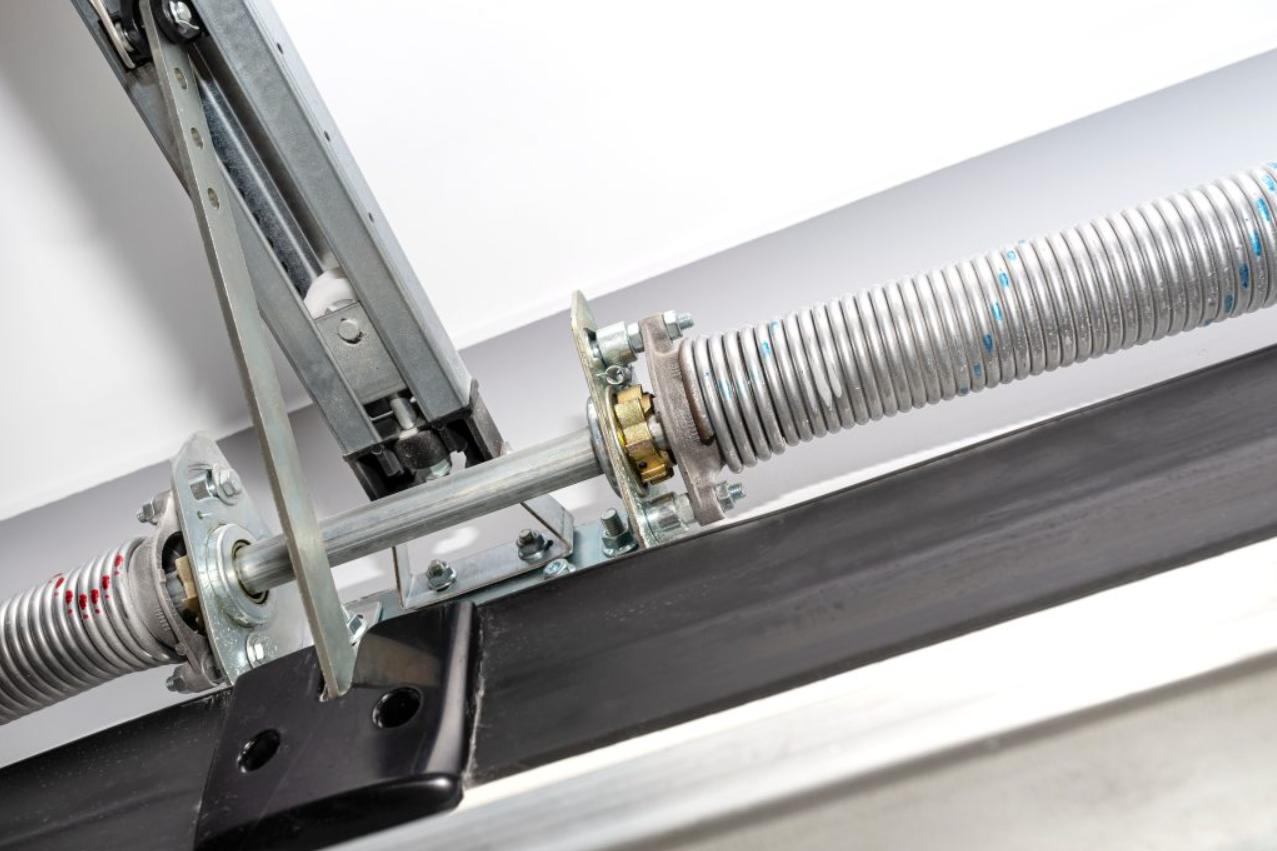
You must watch carefully for clear warning signs that indicate your parts are nearing the absolute end of their useful life. Visually inspect the thick metal coils hanging above your door every few months. If you spot elongated, visible gaps stretching between the tight rings, the internal tension has permanently failed. You might also notice your electric motor groaning, whining, and straining heavily as it tries to lift the wooden or steel panels. You can test the counterbalance system yourself quite easily. Pull the red emergency release cord to disconnect the motor, and manually lift the door halfway up. If the heavy door slams violently to the floor, the springs lack the required lifting power entirely.
You should absolutely never attempt to adjust or fix these high-tension components yourself. The massive stored energy inside the steel rings can cause severe physical injuries or property damage if they snap loose during a repair attempt. Instead, you must rely on experienced technicians who carry the specialized winding tools and proper safety training. Scheduling a professional garage door spring replacement keeps your family completely safe and instantly restores your daily home access. The dedicated experts at Garage Door Supplier Columbus Ohio carry heavy-duty replacement parts and possess the precise skills to fix your system correctly the first time. Keep a close eye on your equipment, listen carefully for strange mechanical noises, and call for professional help the moment you notice a struggling door.